
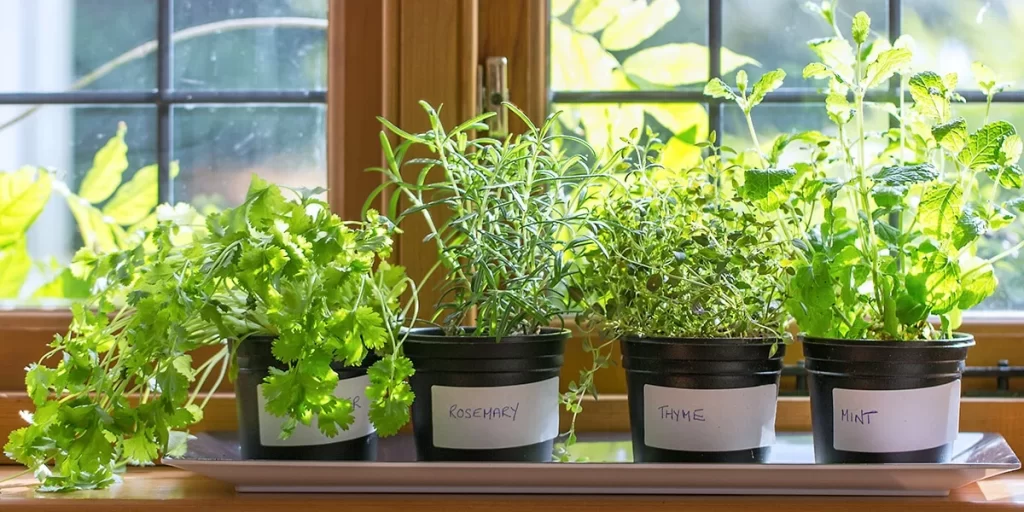
Are you intrigued by the way top chefs always seem to have access to the freshest herbs, while you struggle with store-bought ones that wilt too quickly? The solution to this culinary conundrum is simple—grow your own kitchen herb garden. In this guide, we will explore the steps to prepare, nurture, and reap the rewards of a flourishing herb garden. Whether you’re a seasoned gardener or a novice, we’ll cover the essentials and share some handy tips and tricks along the way.
Harnessing the Power of Herbs
When it comes to enhancing the flavours of your dishes with nature’s finest ingredients, herbs reign supreme. Whether you crave a savoury aroma or a burst of fresh minty goodness, herbs have it all. By having your own kitchen herb garden at your fingertips, your culinary creations, garnishes, and beverages will never be the same again.
Before diving into the world of kitchen herbs, we offer a wealth of resources to get you started. Explore our guides based on your experience level, culinary ideas, or the season (spring or winter). Additionally, we feature informative podcasts that delve into the art of herb gardening. Once you’ve gained some knowledge, you’ll be ready to embark on your herb-growing journey.
Selecting Your Herbs
The first step in creating your kitchen herb garden is to choose herbs that align with your culinary preferences. There’s no need to venture into exotic herbs you wouldn’t typically use. Here’s a breakdown of some popular herbs, their flavours, and their culinary applications:
- Basil: Offers hints of licorice and cloves; pairs well with tomato, mushrooms, potatoes, chicken, and vinaigrettes. Add it at the end of your cooking.
- Chives: Imparts a light onion flavour; ideal for use with eggs, potatoes, salads, sauces, and as a garnish.
- Cilantro: A controversial herb with some describing it as soapy while others find it refreshingly fresh; often used in spicy dishes like Mexican or Indian cuisine.
- Dill: Known for its tangy, pungent taste; commonly used in Mediterranean cooking, both the seeds and greens.
- Marjoram: Offers a sweeter taste akin to oregano; great for stuffing, beans, carrots, salads, eggs, and various dishes.
- Mint: Provides a menthol sensation with peppery notes; versatile for both sweet and savoury flavours, suitable for lamb, fish, and salads.
- Oregano: Imparts an earthy flavour, similar to marjoram; perfect for meat, tomato sauces, and dishes paired with lemon.
- Parsley: Offers a clean and peppery, yet earthy taste; a versatile addition to nearly all savoury dishes when used fresh.
- Rosemary: Boasts a strong, piney taste; ideal for chicken, beans, and savoury bread. Use it sparingly to avoid overpowering your dish.
- Sage: Features an earthy, slightly peppery taste with hints of mint, eucalyptus, and lemon; suitable for pork, chicken, sauces, and stuffings. Use it in moderation; fresh and dry sage have different flavours.
- Tarragon: Offers a bittersweet profile with hints of anise and fennel; pairs well with tomato, mushrooms, potatoes, chicken, and vinaigrettes. Can also be used alone.
- Thyme: Imparts a minty, lightly lemony taste; use whole sprigs in soups and stews or add leaves to almost any savoury dish.
Pick Your Starter Pack
If you’re new to herb gardening, we recommend starting with our six-pack herb seedlings or our assorted herb pots in 12cm and 17cm sizes to skip the germination process from seeds. However, if you have experience with growing plants from seeds, you can try our available seed packets.
Creating the Ideal Growing Space
Herbs thrive in locations with plenty of sunlight, but they can struggle in extreme heat. In hotter regions and seasons, look for semi-shaded areas to protect them.
Preparing and Planning Your Kitchen Herb Garden
Growing herbs with varying watering needs in the same containers can lead to inconsistent growth. Group herbs with similar watering requirements together. For instance, rosemary, lavender, and thyme thrive in dry soils, while mint, chives, and basil prefer regular watering. Plan your herb placements accordingly for optimal growth.
If you intend to grow herbs outdoors, consider their growth habits. Mint family plants, for example, have a tendency to spread rapidly, which can be a plus for mint enthusiasts.
Potting Around
Once you’ve chosen your herbs and their groupings, it’s time to select your containers or growing spaces. Opt for larger pots to accommodate both root growth and proper drainage. While standard soils and potting mixes are suitable for most herbs, thyme and oregano thrive in a blend of well-draining mediums and standard soil mixtures. When filling your pots, leave about 1.5cm of space between the soil and the pot rim to allow for settling and watering.
Regularly apply fertilizer every two weeks to support healthy growth. If you’re unsure about which fertilizer to use, refer to our guide on fertilizers. Additionally, rotate your pots throughout the week to ensure each plant receives even exposure to sunlight.
Ingenious Indoor Ideas
While the classic kitchen windowsill herb garden is a time-tested choice, there are creative and functional alternatives to explore. Place your herbs on a shelf, hang them from the ceiling, or create a vertical hanging garden on a wall to save space. You can even design custom tabletop planters or utilize runoff areas from your sink to conserve water. Keep in mind that regardless of their placement, herbs require good air circulation and should be shielded from drafts.
Awesome Outdoor Ideas
The most gratifying part of herb gardening is enjoying your harvest. To ensure a bountiful and prolonged yield, make regular trimmings a part of your routine. Additionally, avoid letting your herbs flower; trim the longer stems that are about to develop flower buds as soon as you notice them. This redirects the plant’s energy toward producing more lush foliage.
Pruning and Harvesting
For a traditional look, consider using classic terracotta pots near your back door. Window boxes outside your kitchen and decorative balcony railing planters are perfect for smaller herb gardens.
With your kitchen herb garden in full swing, you’ll have access to fresh herbs at your fingertips, elevating your culinary adventures to new heights. For more guidance, contact our team for gardening care tips, techniques, and recommendations on products that will help you cultivate the perfect kitchen herb garden. Happy gardening!